
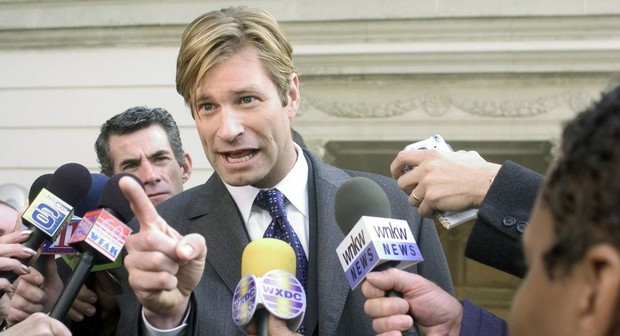
The film "Thank You for Smoking" does show how there is a complex relationship with persuasion and advertising and public relations. In the film, the character, Nick Naylor has shown how it can be effective communication when it's being used to defend products that are widely known as harmful. Naylor was a tobacco lobbyist, he was able to shift conversations and was great at avoiding direct accountability. This shows us that the truth can easily be manipulated when it's being used in marketing. The film has tension when you think of something is legal, but it does not mean it's morally acceptable.
Personally, if I was Nick Naylor and had his job, I would struggle as well, no matter what the salary is. Even if someone wants to offer me $100,000 or $200,000 a year if I knew personally, I was promoting something that would cause harm to individuals and would conflict my values that would not be something I would be able to do. The amount of tobacco use has caused over 480,000 deaths per year in the United States, according to the Center for Disease Control and Prevention. When it's your job to promote something of this sort, it also requires you to have to ignore the consequences that this product may occur to many individuals. I understand it was Naylor's job to represent a client in a professional setting, but I believe there's also a difference between advocacy and deception, and the line was overly drawn with Naylor's job.
This issue does not stop with tobacco. There are other forms of advertising that are just as harmful such as alcohol, vaping, and gambling. As we all know, e-cigarette's have been heavily marketed and being told it's a safer alternative to traditional smoking. From my research from the National Institute of Health, showed me that nicotine has increased within teenagers in recent years. As these companies do market well with using appealing flavors as well as social media, as most teenagers are on which does attract the younger audience. As for gambling advertisements have been seen to become more common, especially through sports partnerships, and this is making it seem normal and risk free and in reality this as well can lead to an addiction and financial harm. These industries do operate legally, but their marketing strategies are often for profit and not for the public health.
In the film, there's another issue raised, and it was whether older movies should be edited to remove smoking scenes. I don't think this would be a great idea by changing how classic films were made, but I think moving forward there should be something implemented that doesn't market harmful and addictive things to the public that is just benefiting the institution. If we were to change classic films from the past, we wouldn't understand the cause of certain marketing ideas as for this we have seen that smoking has increased because of the marketing and advertisements that have shown. But if we remove that there will be no source of telling that certain advertisements have statistically proven not good for the public. We just need to focus on how certain products are advertise today rather than rewriting the past.
The question we need to ask is if the government should ban advertising for harmful products altogether. We have the first amendment, which is free speech and if we ban these advertisements, it would reduce exposure, but it would also lead to controversy on if the first amendment is not being applied properly. In our society today, companies are allowed to promote legal products and the consumers watching these advertisements are expected to purchase these items on their own decisions. However., this assumption does not always end up being true, especially when marketing does intend to influence vulnerable groups.. I think we should add strict or regulations then completely ban certain advertisement so it doesn't and in society fighting back-and-forth with the first amendment and adding stricter regulations is also gonna protect the younger audience.
 |
Finally, the role of the reporter in the film she covers important truths about tobacco industry, was compromising her credibility by implementing her personal involvement with Naylor it all raised ethical concerns. Ethical journalism requires maintaining professional boundaries, even when you're trying to portray a meaningful story. In the film, the reporter may have had her intentions be justified, but on the other hand or actions in the end, do not fully justify the means.
Overall, Thank You for Smoking did show how a lot of persuasion from advertisements and marketing do blur the controversy between legality and morality. It tells us that while advertising in public relations are powerful tools. They can also carry a very heavy responsibility that we need to consider the impact that it has on our society.


